Jasper's Blog
Find support and healing after losing a pet with heartfelt insights, grief-coping strategies, and comforting words. Our blog offers hope, understanding, and community for anyone mourning the loss of their furry friend.

Decision-Making in Anticipatory Grief: Tools to Find Clarity and Peace
Struggling with “How will I know when it’s time?” Use quality-of-life tracking, a line in the sand, and gentle planning to reduce panic and find peace.


“Name It to Tame It”: A Grounding Tool for Anticipatory Pet Loss Grief
A gentle grounding tool for anticipatory pet loss grief: name what you are feeling and try a short thought and emotion download to feel steadier.

The Silent Loneliness of Anticipatory Pet Loss Grief
Anticipatory pet loss grief can feel isolating when others don’t understand. If your sadness feels invisible, you’re not overreacting—you’re grieving.

When the Holidays Hurt: Navigating Social Expectations and Grief After Pet Loss
The holidays can amplify grief after losing a pet. This article explores how to navigate gatherings, boundaries, and conflicting emotions while honoring your grief during the holiday season.


What to Do When Your Pet Dies: A Grounded Guide for the First Days
Losing a pet can feel overwhelming and disorienting. This grounded guide walks through what to do in the first days after your pet dies, validating the depth of pet loss grief and offering compassionate next steps when everything feels heavy.


Pet Loss Grief: What You’re Feeling Is Normal (Even If It Feels Messy)
Pet loss grief doesn’t follow rules or timelines. This article validates the wide range of emotions people experience after losing a pet and explains why grief can feel messy, unpredictable, and deeply personal.

Why Grief Comes Back After Losing a Pet (And Why That’s Normal)
Wondering why pet grief comes back after losing a pet? Pet loss grief is cyclical, triggered by routines and anniversaries. You’re not broken—you’re grieving.

The First 90 Days: A Guide for Pet Loss Grief
The first 90 days after losing a pet can feel like a blur. This compassionate guide shares real experiences, expert insights, and coping tools to help you navigate early grief, rebuild small routines, and find meaning again. Discover gentle ways to heal and honor your pet’s memory with Jasper.

Aim for Neutral: Why Setting Small Goals Helps You Heal Through Grief
Feeling foggy, exhausted, or stuck in grief? “Grief brain” is real. This post explains why big goals backfire and why aiming for neutral helps you recover.

18 Months Without Jasper
A personal reflection on life 18 months after losing my dog Jasper, exploring grief, healing, and the creation of a supportive community for those navigating pet loss.

Why Losing a Pet Hurts So Much (And Why It Can Feel Worse Than You Expected)
Many people are surprised by the intensity of pet loss grief. This post explains why losing a pet can feel so overwhelming, from nervous system disruption to the loss of daily companionship and emotional safety.

Why Anticipatory Grief Feels Like an Emotional Roller Coaster
Anticipatory pet loss grief can feel contradictory: sadness and hope, gratitude and guilt. Learn why the emotional swings happen and what they mean.

Moving After Pet Loss: What I Didn’t Expect to Feel
Moving after pet loss can bring grief back in unexpected ways—from a simple “Do you have pets?” question to a new home that feels bittersweet. You’re not alone.

The Healing Power of Tears: Why Crying Matters in Grief
We’ve all heard the expression “let it out” — but when it comes to grief, especially after losing a beloved pet, that phrase becomes more than just well-meaning advice. As a psychiatric nurse practitioner an pet loss grief specialist, I’ve witnessed firsthand the profound healing that can occur when we allow ourselves to cry.
Many people feel uncomfortable with crying, especially in a culture that often equates tears with weakness. But the truth is, crying is a powerful biological and emotional response that can support our mental and physical well-being — especially during bereavement. And science backs this up.

Is Pet Loss Real Grief? Why Your Pain Is Valid (Even If Others Don’t Get It)
Pet loss is real grief, even when others minimize it. This article explores why losing a pet hurts so deeply, what disenfranchised grief means, and why your pain deserves recognition and support.

Even Though You Never Got Me a Card
Mother’s Day after pet loss can bring identity grief—missing the role of being your pet’s mom. A simple check-in can validate the bond and ease the weight.

Starting Over After Pet Loss: Why a New Hobby Helped Me Breathe Again
After pet loss, routines can feel painfully empty. Learn how trying a new hobby (like tennis) can rebuild structure, ease grief spirals, and create space to heal.

Grief Isn’t Meant to Be Hidden
Hiding grief doesn’t make it disappear—it can make it heavier. This reflection explores why grief is personal, why sharing helps, and how community makes you feel less alone.

Anticipatory Pet Loss Grief: You’re Not Broken, You’re Bonded
Anticipatory pet loss grief is real grief before goodbye. If you feel anxious, sad, or overwhelmed while your pet is here, you’re not broken.
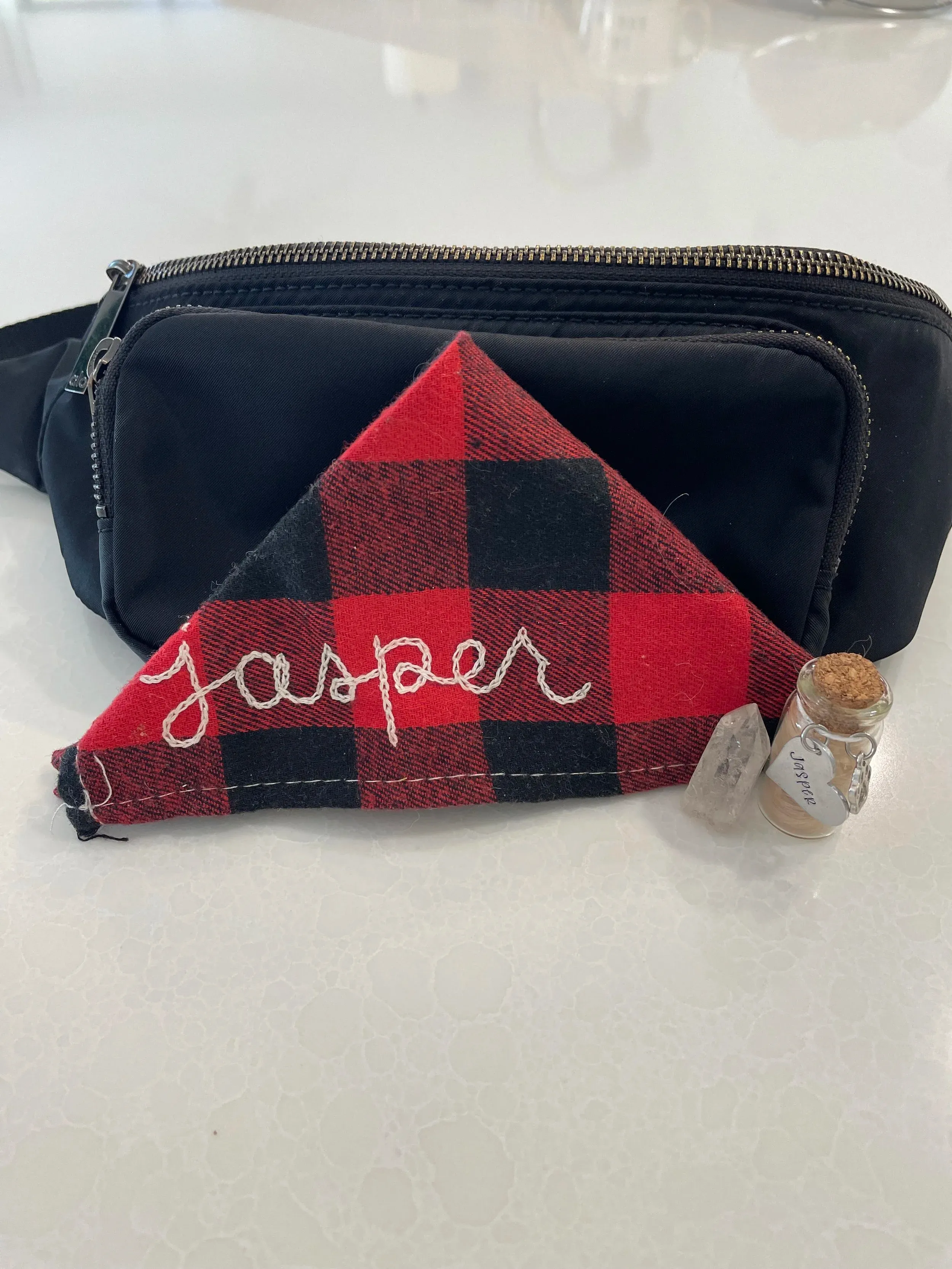
The Power of Carrying Them With Us: Memorializing Our Pets Helps Us Heal
Grief doesn’t go away— it changes shape. And sometimes, what helps most is finding a way to carry the love forward in a way that feels real, tangible, and grounding.

Creating a Routine After Losing a Pet
Grief is unpredictable. It comes in waves, often when we least expect it, making us feel unmoored. Losing a pet isn’t just about their absence—it’s also the loss of routine. So much of our daily life revolves around caring for them, from morning walks to bedtime cuddles. When that routine disappears, it can leave a gaping hole in our day.

The Power of Journaling When Dealing with Pet Loss
Grieving the loss of a beloved pet can be a profoundly emotional experience. Many people find solace in different ways, but one therapeutic tool that has stood the test of time is journaling.

Understanding the Depth of Pet Grief
Losing a pet can be just as devastating— if not more devastating— as losing a human loved one. But society often fails to recognize the depth of the pain. When I lost Jasper, I was a mess (to put it lightly). At times, I felt as though there was something wrong with me. So, I started doing research. I discovered I was not alone in this feeling.

Navigating Pet Loss During the Holidays
The holidays. Usually a time of celebration and cheer, but when grieving the loss of a beloved pet, they can feel especially heavy. Traditions that once brought joy might now serve as painful reminders of their absence. It’s easy to feel out of sync with the world around us, as everyone else seems focused on joy and togetherness while we navigate sadness and longing. The most important thing to remember is that you’re not alone in these feelings. Struggling with grief during the holidays is normal, and it’s okay to feel this way.
Pet Loss Support That Understands: Inside the Jasper Grief Community
The Jasper Grief community offers compassionate pet loss support for people navigating grief that is often misunderstood or minimized. A space for connection, education, and shared experience—without pressure to move on.