When the Holidays Hurt: Navigating Social Expectations and Grief After Pet Loss
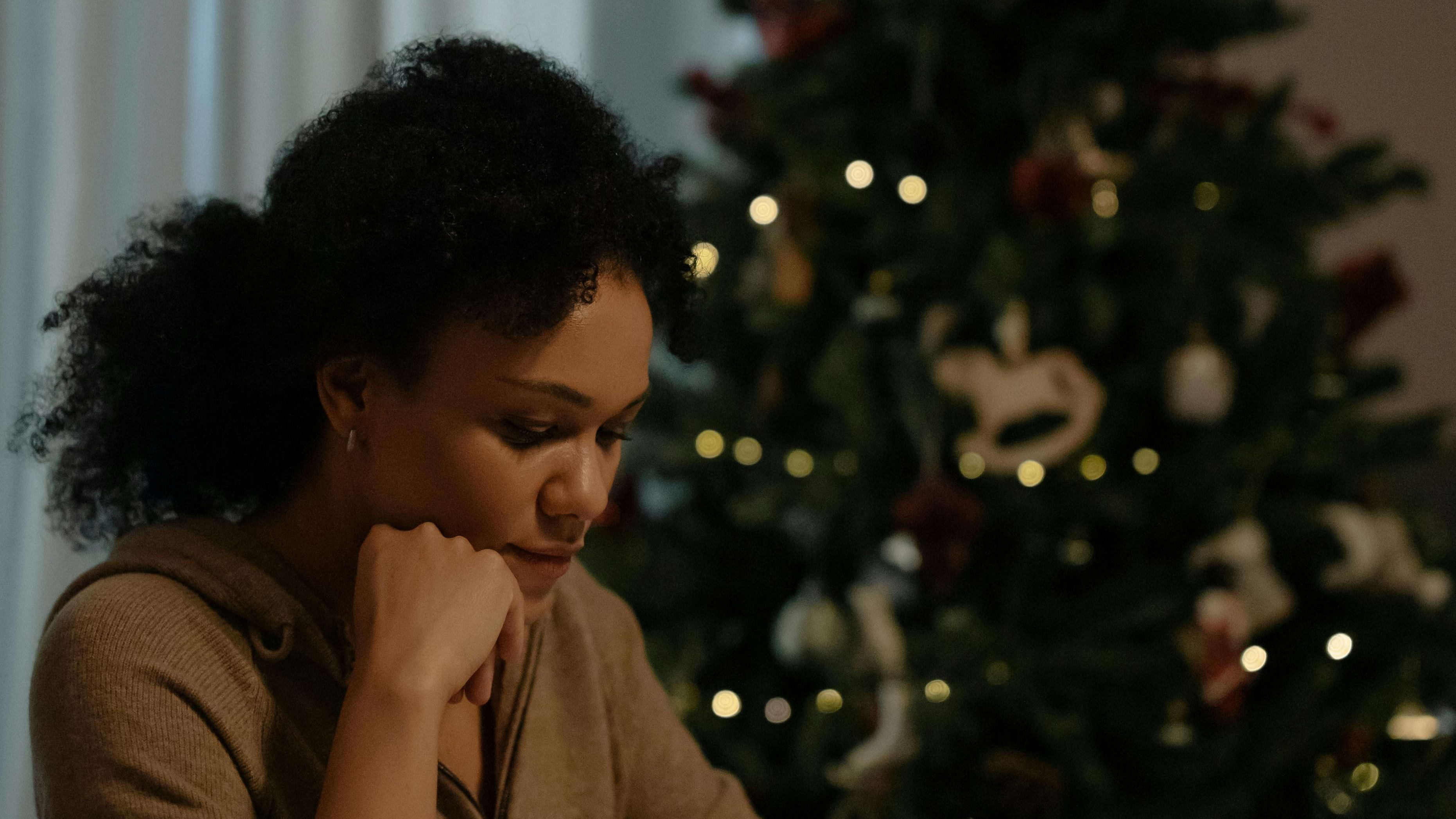
The holidays are often framed as a season of togetherness, warmth, and celebration. But if you’re grieving the loss of a beloved pet, this time of year can feel anything but festive. Between family gatherings, traditions, and social expectations, the grief you’re holding may feel magnified by a world that seems to expect you to be joyful.
That contrast — the one between your internal experience and the external pressure to “be okay” — is real, and it’s something many people facing pet loss struggle with. What if the grief doesn’t soften in November? What if it feels louder?
You’re not alone. And you don’t need to navigate this alone.
The Pressure of Holiday Expectations
Holidays come with social rituals: family dinners, gift exchanges, cheerful greetings, and full calendars. But grief doesn’t show up in neat, scheduled packets between courses or beneath twinkling lights.
For many grieving a pet:
- Invitations can feel overwhelming.
- Expectations to participate can feel exhausting.
- Cheery greetings can feel like reminders of absence.
You might find yourself asking:
“How do I show up when my heart feels elsewhere?”
“What if I can’t force myself to enjoy these traditions like I used to?”
Those questions aren’t signs of weakness — they’re reflections of love that hasn’t gone away.
Permission to Change the Script
There’s no rule that says grief has to show up quietly or on someone else’s timeline. You have full permission to:
Say “no” —
Declining invitations does not make you antisocial or ungrateful. It simply honors what you actually have the emotional capacity for.
Set boundaries —
You can arrive late, leave early, take breaks, or step outside for air. Your energy matters.
Pause traditions —
Some customs that once brought joy might feel too heavy now — and that’s okay. You can choose what feels manageable or meaningful to you.
This isn’t avoidance — it’s self-care.
Reframing “Fun” and “Grief” Together
Grief isn’t something you set aside like a holiday decoration you’ll put away come January. It weaves itself into gatherings, conversations, meals, and memories.
You might notice:
- Smiling at a happy memory and feeling a lump in your throat.
- Feeling grateful for your pet’s love and deep sadness that they’re no longer here.
The holidays can hold multiple emotions at once, and that’s okay. You are allowed to feel joy and sorrow — even within the same minute.
Small Ways to Honor Your Pet’s Presence
You don’t have to plaster your whole season with reminders of your loss — but gentle, intentional gestures can help you carry your pet’s legacy forward without being overwhelmed by grief.
Some ideas:
- Light a candle during a quiet moment.
- Share a favorite story about your pet at a family dinner (if you’re comfortable).
- Place a small memento in a special spot — just for you.
- Create a simple ritual that feels meaningful this year.
These acts aren’t about making the pain go away — they’re about acknowledging that your grief is a continuation of love.
How to Navigate Social Conversations
Well-meaning friends or family might say things like:
- “It’s time to feel better now.”
- “At least you have the memories.”
- “You should try to enjoy yourself.”
Even when intended kindly, these responses can feel dismissive.
You don’t have to explain your grief in detail. You can set a gentle boundary:
“This season feels hard for me. I’m happy to be here, but I’m also grieving.”
True understanding doesn’t require perfect words — it requires listening.
Self-Compassion First
Sometimes the kindest thing you can do is:
- take a break
- let someone else take the lead
- sit with your feelings without trying to fix them
Grief isn’t something to solve. It’s something to navigate with care, one moment at a time.
When the world expects cheer, it’s okay to say:
“This is where I am right now — and it’s real.”
-----------------
FAQs
Why can holidays feel worse after losing a pet?
Holidays often carry emotional expectations and traditions that highlight absence, making grief feel more intense and harder to navigate.
Is it okay to skip holiday gatherings after pet loss?
Yes. Choosing what feels manageable for you isn’t avoidance — it's a form of compassionate self-care.
How do I talk to others about my grief during the holidays?
You can set gentle boundaries with phrases like, “This season feels hard for me,” without needing to explain everything.
Can I feel joy and grief at the same time?
Absolutely. Experiencing joy and sorrow reflects the complex nature of love and loss.
What if people minimize my grief?
You are allowed to protect your emotional space and prioritize support that validates your experience.