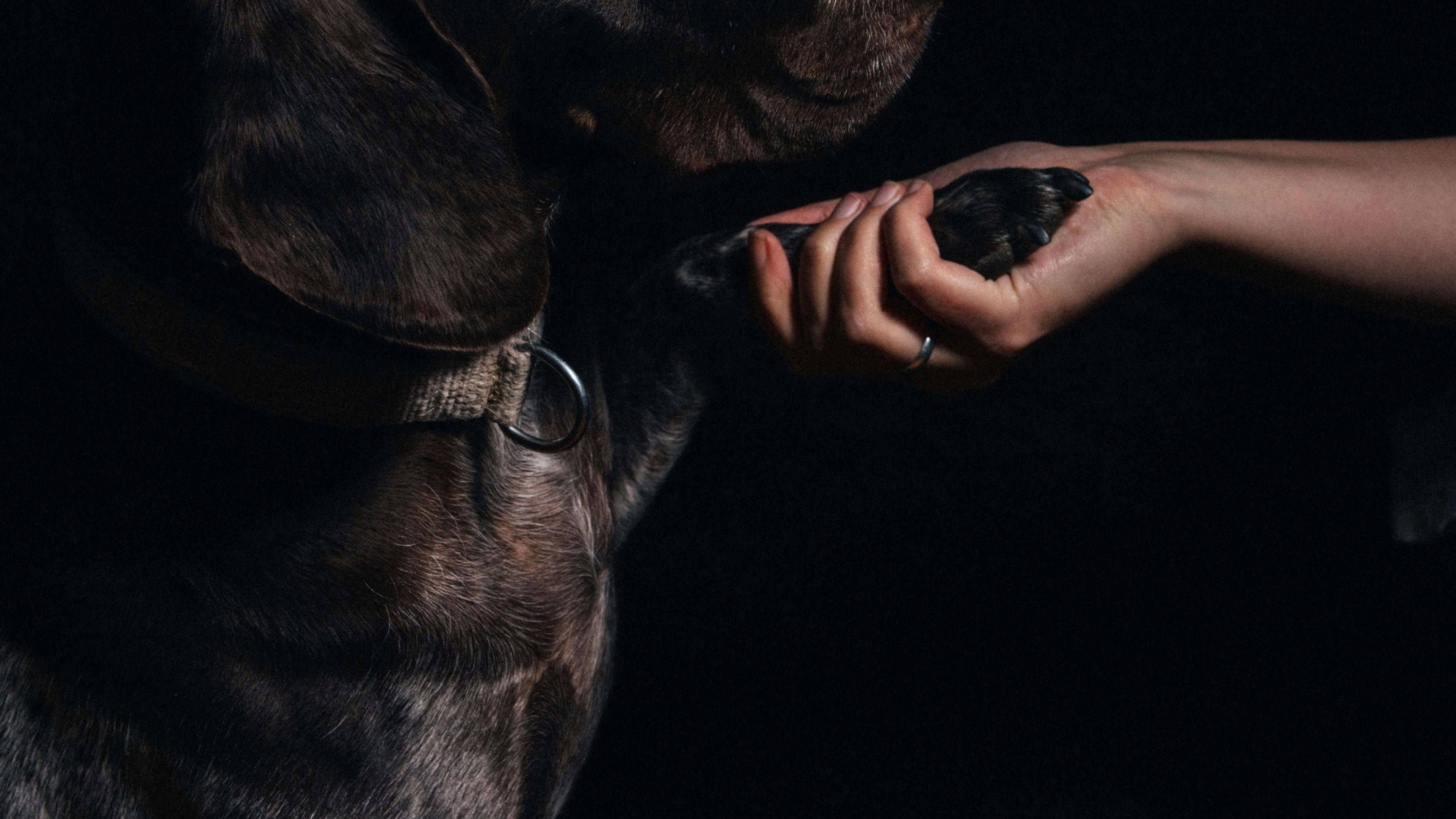
Is Pet Loss Real Grief? Why Your Pain Is Valid (Even If Others Don’t Get It)

Many people ask themselves a painful question after losing a pet:
“Why does this hurt so much — and why doesn’t anyone seem to understand?”
The short answer: Pet loss is real grief.
The longer answer explains why it can feel so isolating
Why Pet Loss Is Often Minimized
Unlike other forms of loss, pet loss isn’t always socially recognized. People may say things like:
- “It was just a dog.”
- “You can get another one.”
- “At least they lived a long life.”
These responses don’t reflect the depth of the bond — they reflect discomfort with grief.
What Makes Pet Loss So Painful
Pets are often:
- Daily companions
- Sources of emotional regulation
- Anchors to routine and safety
- Unconditionally present
For many people, a pet is their primary relationship. Losing that connection can feel like the ground has disappeared.
Disenfranchised Grief and Pet Loss
Pet loss is a common form of disenfranchised grief — grief that isn’t fully acknowledged or supported by society. When grief is minimized, people often feel pressure to hide it, rush it, or question themselves.
That can make the grief heavier.
You Are Not Overreacting
Grief isn’t measured by what was lost — it’s measured by what the relationship meant. If your pet was central to your life, your grief will reflect that.
Feeling devastated doesn’t mean something is wrong with you. It means something mattered.
You Deserve Support That Takes Your Grief Seriously
Pet loss grief deserves care, language, and space. It deserves community. It deserves validation.
Jasper exists because pet loss is real grief — and people navigating it deserve more than silence or dismissal.
If your pain feels invisible, you are not alone.
------------------
FAQs
Is pet loss considered real grief?
Yes. The bond with a pet is emotionally significant, and grieving that loss is valid.
Why don’t people take pet loss seriously?
Pet loss is often misunderstood, making it a form of disenfranchised grief.
What is disenfranchised grief?
It is grief that is not socially recognized or supported.
Is it okay to grieve a pet like a person?
Yes. Grief reflects the depth of connection, not the type of relationship.